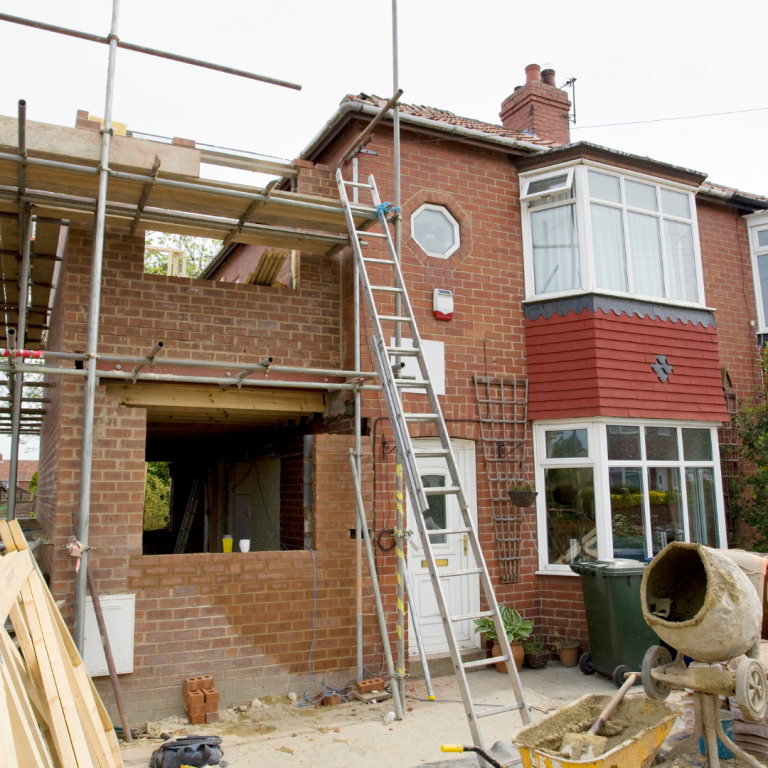
Home Extension Advice
Below you'll find practical guidance for homeowners considering an extension or loft conversion.
The articles focus on planning permission, permitted development, building regulations, and costs — the areas that most often cause confusion early on.
The aim is to help you understand what applies to your property before committing to drawings, applications, or construction.
Planning and Permitted Development
Planning Permission vs. Permitted Development: What You Need to Know Before Extending Your Home in and around Bournemouth
One of the first questions homeowners ask when planning an extension is whether they need planning permission, or whether the work can be carried out under permitted development.
The distinction matters. Getting it wrong can lead to delays, extra costs, or in the worst cases, enforcement action. This guide explains the difference clearly and outlines what typically applies to house extensions and loft conversions in and around Bournemouth.
The Quick Answer
Many house extensions and loft conversions fall under permitted development, meaning full planning permission is not required. However, this depends on the size, location, design, and history of the property. Conservation areas, previous extensions, and design changes can all remove permitted development rights.
When in doubt, it’s always better to check early than deal with issues later.
What Is Planning Permission?
Planning permission is formal approval from the local planning authority for development that falls outside permitted development limits or where additional controls apply.
- It is usually required when:
- The extension exceeds permitted development size limits
- The property is listed or within a conservation area
- The proposal significantly alters the appearance of the building
- The development affects neighbours, highways, or protected views
A standard householder planning application typically takes around 8 weeks for a decision once validated.
What Is Permitted Development?
Permitted development (PD) rights allow certain types of work to be carried out without applying for full planning permission, provided strict criteria are met.
Even under permitted development:
Size, height, and position limits still apply
Materials should be similar in appearance to the existing house
Building regulations approval is still required
Permitted development applies only to houses, not flats or converted buildings.
Common Permitted Development Limits (Houses)
Rear Extensions
Terraced or semi-detached houses:
Up to 3m from the original rear wall
Detached houses:
Up to 4m from the original rear wall
Maximum height: 4m, or 3m if within 2m of a boundary
Larger rear extensions may be possible under the prior approval process, subject to neighbour consultation.
Side Extensions
Maximum width: no more than half the width of the original house
Maximum height: 4m
Must be single storey
Loft Conversions
Volume allowance:
40m³ for terraced houses
50m³ for detached and semi-detached houses
No extensions beyond the plane of the roof facing the highway
No balconies, verandas, or raised platforms
Dormers must not exceed the highest part of the existing roof
When Planning Permission Is Required
You will usually need planning permission if:
The property is listed
The property is in a conservation area (such as parts of Talbot Woods, West Cliff, or East Cliff)
The proposal exceeds permitted development limits
Permitted development rights have been removed by condition
The design significantly alters the character of the building
Local policies and site constraints can also affect what is acceptable, even where permitted development might otherwise apply.
Bournemouth-Specific Considerations
In Bournemouth, Christchurch, and Poole, additional factors can influence whether planning permission is required:
Coastal and cliff-top locations may be subject to stricter controls
Flood risk zones can affect extension design and approval
Some estates have historic planning conditions restricting extensions
These factors aren’t always obvious from national guidance, which is why local context matters.
Lawful Development Certificates (LDCs)
Even where an extension qualifies as permitted development, it’s often sensible to apply for a Lawful Development Certificate.
An LDC is formal confirmation from the council that the proposed or completed work is lawful.
Why an LDC Is Worth Considering
Provides written proof that the work is permitted
Reduces risk when selling the property
Avoids future disputes with neighbours or the council
LDC applications usually take around 8 weeks and cost less than a full planning application.
What Happens If You Build Without Approval?
If planning permission is required and hasn’t been obtained, the council may:
Require a retrospective planning application
Refuse the development and request alterations
In serious cases, require removal of the work
These situations are far more stressful and expensive than checking requirements properly at the outset.
Final Thoughts
Permitted development can be a valuable route for extending your home quickly and efficiently, but it comes with strict limits. Planning permission isn’t something to fear, but it does require careful preparation to avoid delays or refusals.
Understanding which route applies to your property before committing to drawings or construction is the safest way to move forward.
If you’re unsure whether your extension needs planning permission, checking early avoids problems later.

Building Regulations for House Extensions: What Homeowners Need to Know
Even if your extension or loft conversion doesn’t require planning permission, it will almost certainly need to comply with building regulations.
Building regulations exist to ensure that work is safe, structurally sound, energy efficient, and suitable for long-term use. Unlike planning permission, which focuses on how a development looks and fits into its surroundings, building regulations are concerned with how it is built.
This guide explains what building regulations cover, when approval is required, and how the process works for homeowners in Bournemouth and the surrounding areas.
What Are Building Regulations?
Building regulations are national standards set by the UK government. They apply to most building work, including:
House extensions
Loft conversions
Garage conversions
Structural alterations
New drainage, electrics, and heating systems
The regulations cover areas such as structural safety, fire protection, insulation, ventilation, accessibility, and drainage.
Compliance is not optional. Building work that does not meet regulations can cause problems with safety, insurance, and future property sales.
Do I Need Building Regulations Approval?
In most cases, yes.
Building regulations approval is required for:
New extensions of any size
Loft conversions
Structural alterations (including steel beams and large openings)
Changes to drainage, plumbing, or electrics
Thermal upgrades to walls, roofs, and floors
Limited Exceptions
Some small detached outbuildings or conservatories may be exempt, but exemptions are specific and conditional. It’s always best to check before assuming approval isn’t needed.
Even if planning permission is not required, building regulations approval usually still applies.
Key Areas Covered by Building Regulations
Structural Safety
Foundations must be suitable for ground conditions and loads. Structural elements such as beams, lintels, floors, and roofs must be properly designed and supported.
Structural calculations are often required where steel beams or large openings are introduced.
Fire Safety
Building regulations address fire safety through measures such as:
Fire-resistant construction between floors
Protected escape routes
Fire doors where required
Smoke and heat alarms
Fire safety becomes particularly important for loft conversions and multi-storey extensions.
Insulation and Energy Efficiency
New extensions must meet current thermal performance standards. This includes:
Insulated walls, floors, and roofs
Energy-efficient windows and doors
Controlled ventilation to prevent condensation and overheating
Older properties often require careful detailing to meet modern standards without creating damp or ventilation issues.
Electrical and Plumbing Work
Electrical work must comply with Part P of the building regulations and be carried out or certified by a competent person.
Plumbing and drainage must meet standards for water efficiency, ventilation, and foul water disposal.
Access and Usability
Building regulations also consider access and usability, including:
Reasonable step heights
Door widths
Stair design
Sanitary facilities
These requirements vary depending on the scope and nature of the work.
How Building Regulations Approval Works
There are two main routes to approval:
Full Plans Application (Recommended)
This involves submitting detailed drawings and specifications to Building Control before work starts.
Advantages:
Plans are checked and approved in advance
Issues are identified early
Greater certainty for builders and homeowners
This route is generally best for extensions, loft conversions, and more complex projects.
Building Notice
A building notice allows work to start without prior plan approval, with inspections carried out during construction.
Disadvantages:
Greater risk if something doesn’t comply
Design changes may be required mid-build
Less certainty at the outset
This route is usually only suitable for small, straightforward works.
Inspections and Completion Certificates
Regardless of the route taken, Building Control will inspect the work at key stages, such as foundations, structural elements, insulation, and completion.
Once the work complies, a Completion Certificate is issued. This document is important and will be requested by solicitors if you sell the property.
What Happens If Building Regulations Are Ignored?
Failing to comply with building regulations can lead to:
Enforcement action from the local authority
Costly remedial works
Delays or problems when selling your home
Safety and performance issues
Retrospective approval is sometimes possible, but it is rarely straightforward and often more expensive than doing things properly from the start.
Final Thoughts
Building regulations are not just a formality. They play a critical role in ensuring that an extension is safe, durable, and fit for long-term use.
Understanding what is required before work begins helps avoid delays, unnecessary costs, and unpleasant surprises during construction.
If you’re planning an extension or loft conversion, addressing building regulations early allows the project to move forward with clarity and confidence.
How Much Does a House Extension Cost in Bournemouth in 2026?
If you’re considering extending your home, one of the first questions you’ll naturally ask is how much it’s likely to cost.
While every project is different, there are realistic, up-to-date figures that can help you understand what’s achievable before committing to drawings or builders.
This guide is intended to give you a clear sense of scale, not a fixed price.
Typical Extension Costs (2025/26)
As a broad guide, typical construction costs for householder extensions are often in the region of:
£1,800 – £3,000 per square metre
This range applies to both single-storey and two-storey extensions and reflects current labour and material costs.
It’s intended to provide an early budgeting guide rather than a quotation.
Loft and Garage Conversion Costs
For other common householder projects, typical costs are often:
Loft conversions:
£25,000 – £65,000, depending on type and complexity
Garage conversions:
£9,000 – £20,000 for straightforward conversions
More complex layouts, significant structural alterations, or higher specifications will sit towards the upper end of these ranges.
What Influences Where a Project Sits Within the Range?
Projects that appear similar on paper can differ significantly in cost once details are considered.
Key factors include:
Structural requirements
Steelwork, large openings, or alterations to existing structures.
Ground conditions
Foundation depth and preparation.
Design complexity
Layout changes, roof alterations, and stair configurations.
Specification and materials
Windows, doors, finishes, and insulation levels.
Site constraints
Access, working around an occupied home, and build sequencing.
These factors often have a greater impact on cost than size alone.
Fees and Statutory Costs (What to Allow For)
In addition to construction costs, most projects will also involve professional fees and statutory charges.
As a general guide, it is sensible to allow in the region of:
5% – 15% of construction cost
This allowance typically covers all non-construction costs, including:
architectural and technical design services
structural engineering input
planning application or Lawful Development Certificate fees
building regulations approval and Building Control
specialist reports where required (such as trees, ecology, or flood risk)
Simpler projects often sit towards the lower end of this range, while more complex or constrained sites sit towards the upper end.
Thinking About Budgeting More Realistically
Rather than asking “How much will it cost?”, a more useful early question is:
“What size and type of extension is realistic within my budget, once build costs, fees, and approvals are taken into account?”
Clarifying this early helps align expectations and reduces the likelihood of costly changes later on.
Next Steps
If you’re considering an extension or loft conversion in Bournemouth or the surrounding area, I offer a free initial planning & design consultation.
This gives you the chance to talk ideas through, understand what may be possible, and get clarity on likely routes forward before committing to drawings.
👉 Book a free consultation:
https://www.zicarchitecture.co.uk/bookaconsultation/